Case Study

Chrudim & Trees:
The Results

How can a city, region, or road administration obtain an up-to-date overview of the green infrastructure’s condition in record time? With roadside.vision, it is very simple. See for yourself and watch a short case study.

Long story short:

3 days. 200 km. And 10,000 trees surveyed.

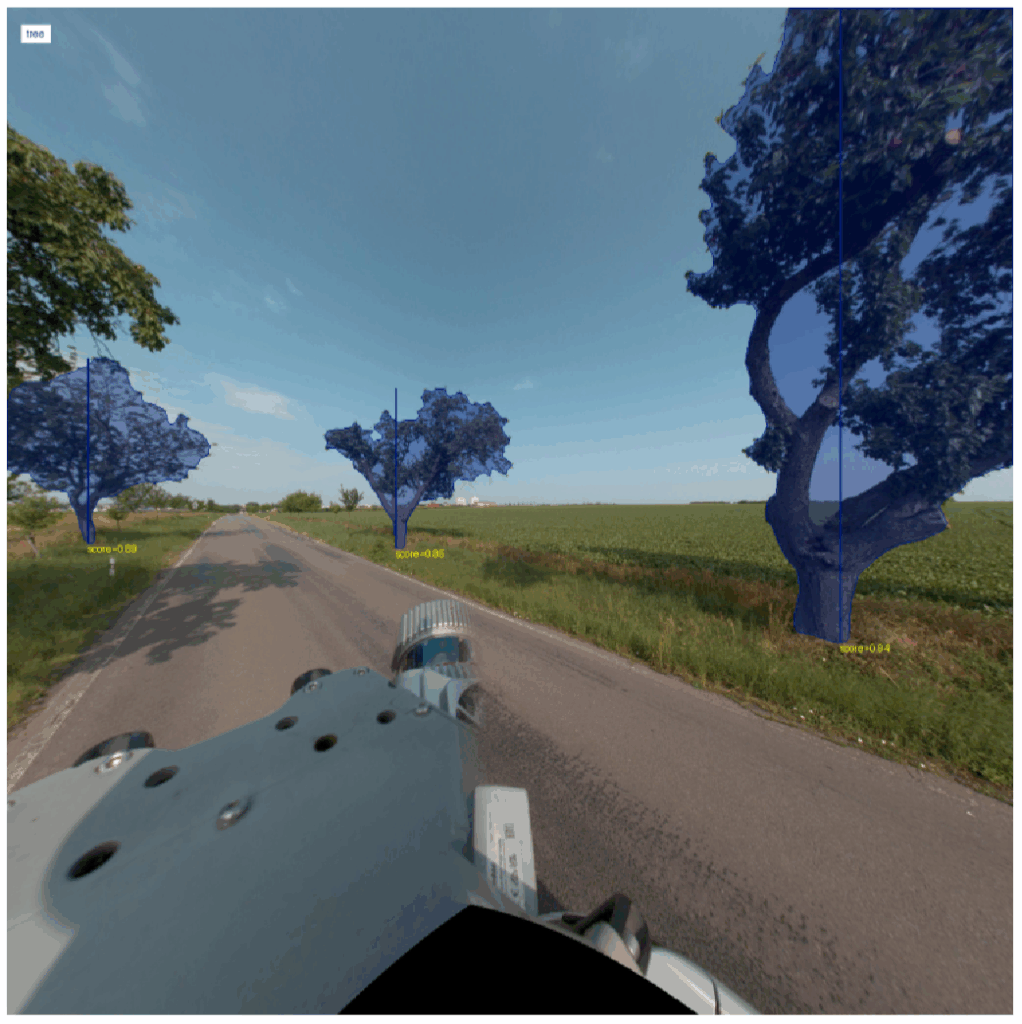
While green infrastructure – primarily trees – is typically surveyed and subsequently assessed by field workers, roadside.vision utilizes remote sensing methods (camera/LiDAR on a vehicle) or existing databases of panoramic road images, similar to Google StreetView. The analysis is then handled quickly and reliably by AI thanks to machine learning.

With almost 100% certainty,
we locate and identify individual trees along roadsides,

achieving a 90% success rate in urban areas.

roadside.vision in numbers

Spoiler alert:
Transparent pricing based on road kilometers, not tree count.
A unique advantage for public tenders.

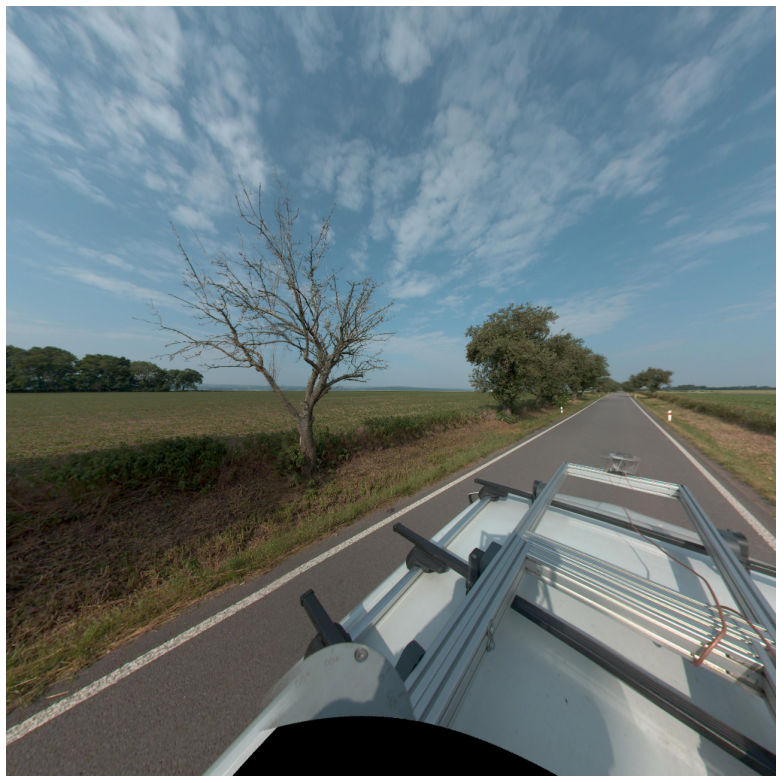
During 9 hours of driving with a roof-mounted camera,

225,000 photos were generated,

and in just 2 additional days,

a complete overview of nearly 10,000 trees was available,

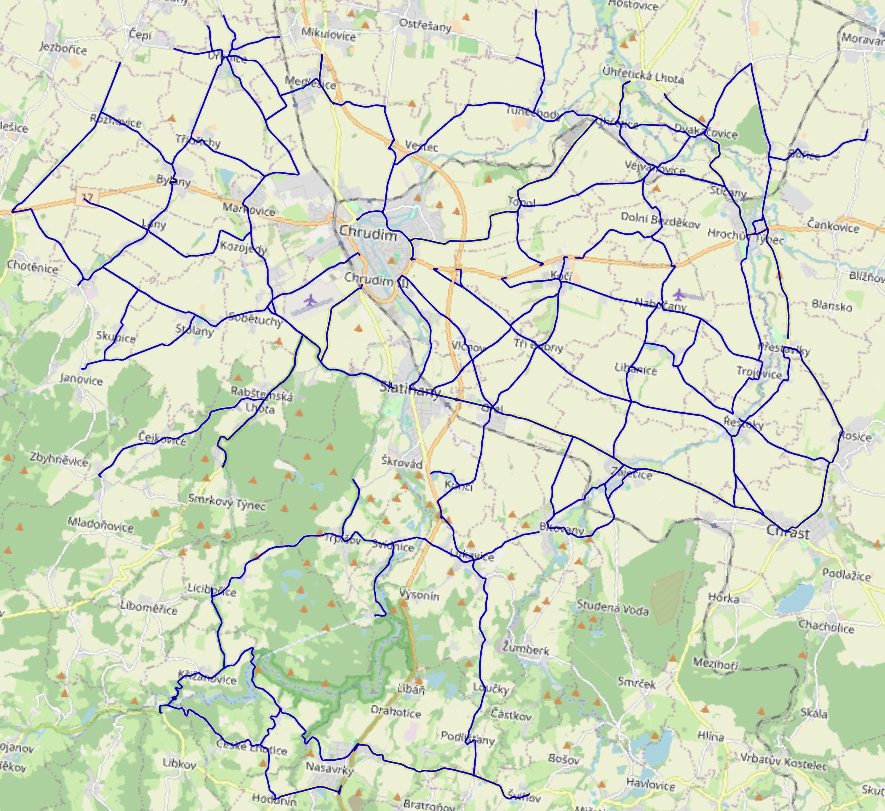
along approximately 200 km of Chrudim roads.

What information does roadside.vision provide?

Detection of existence

  • Freestanding trees
    • Built-up area (municipality) – 91% sensitivity, 16% error rate
    • Outside built-up area (outside municipality) – 99% sensitivity, 1% error rate
  • Groups of trees and continuous stands

Location
(average error +-20cm)

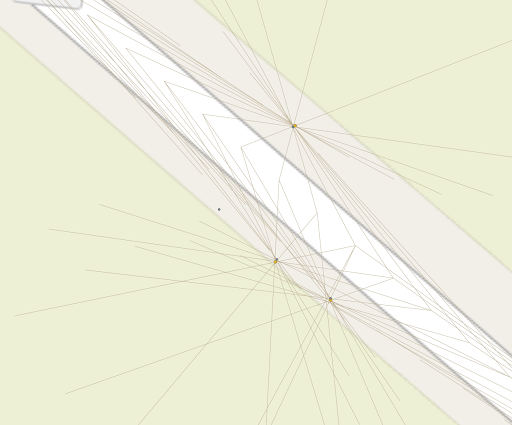
  • Location in space, where exactly the tree is located
  • Distance from the edge of the road

Genus and tree parameters
(average error +- 15%)

  • TOP 3 genus predictions
  • Tree height
  • Trunk diameter
  • Trunk circumference
  • Crown diameter, wood volume upon request
Indication of health and safety
(80% accuracy)

  • Vitality – 65% sensitivity
  • Health – 60% sensitivity
  • Stability – 20% sensitivity
  • Safety – 20% sensitivity

Who benefits from roadside.vision?

Practical example:

To issue a public tender for tree maintenance, trees must first be counted and surveyed. However, arboricultural companies providing these services typically price their work based on the number of trees (usually 5-10 EUR per tree, as revealed by discussions with several road authorities), a figure that is not known at that time.

Regions, cities, and municipalities have a legal obligation to maintain an overview of their assets and care for them properly. They primarily record green infrastructure for efficient management, protection, and maintenance. This includes planning care, such as pruning or planting, and preventing risks to traffic and safety. This record-keeping is crucial for fulfilling legal obligations and strategic planning for green infrastructure development.

  • Green Infrastructure Management: Efficient planning of maintenance, pruning, and planting.
  • Arborists: Focus on selected high-risk sections, saving field time.
  • Road Administrations: Early detection of hazardous, diseased, or old trees.
  • Cities and Municipalities: Cheaper and faster creation of green infrastructure inventories, data for spatial plans and subsidies.
  • Public Tenders: Transparent pricing based on kilometers, not tree count.

Are you looking for a fast, accurate, and detailed analysis?

You either have current data of your own (collected for another purpose on a different occasion – e.g., during sign inventory, parking control, etc.), or we will arrange data collection for you.

Do you not require such a level of detail and certainty?

If basic information and photo documentation are sufficient for you, e.g., for pricing arboricultural work, we can also work with existing databases of panoramic road images, similar to Google StreetView. However, it is necessary to consider the age of the data and its lower quality.

How it works and what is needed for mapping

  • Precisely defined area for analysis
  • Driver and car
  • Precise GPS
  • high-resolution camera (mounted on a car roof, capturing panoramic images at regular intervals)

For the Chrudim project, we collaborated with GEODROM and INTEGRA. Thanks to their technologies, it is possible to excellently document the surroundings of roads and obtain very high-quality data using a camera or LiDAR on a vehicle. As experienced players in the market, they also have an overview of the necessity and intricacies of mapping various elements in municipalities and regions, thus providing valuable insights into inventory issues.